Alyogyne huegelii Alba- White Native Hibiscus
$ 6.22
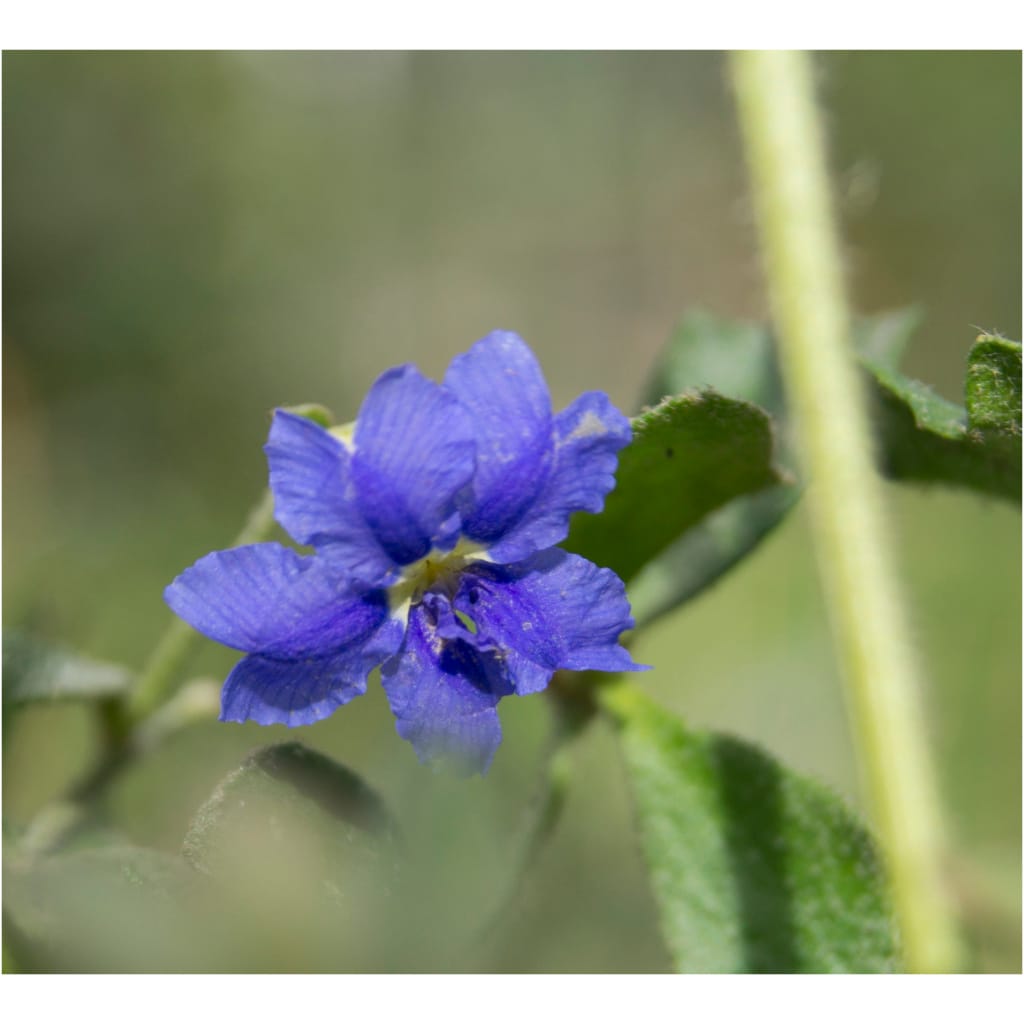
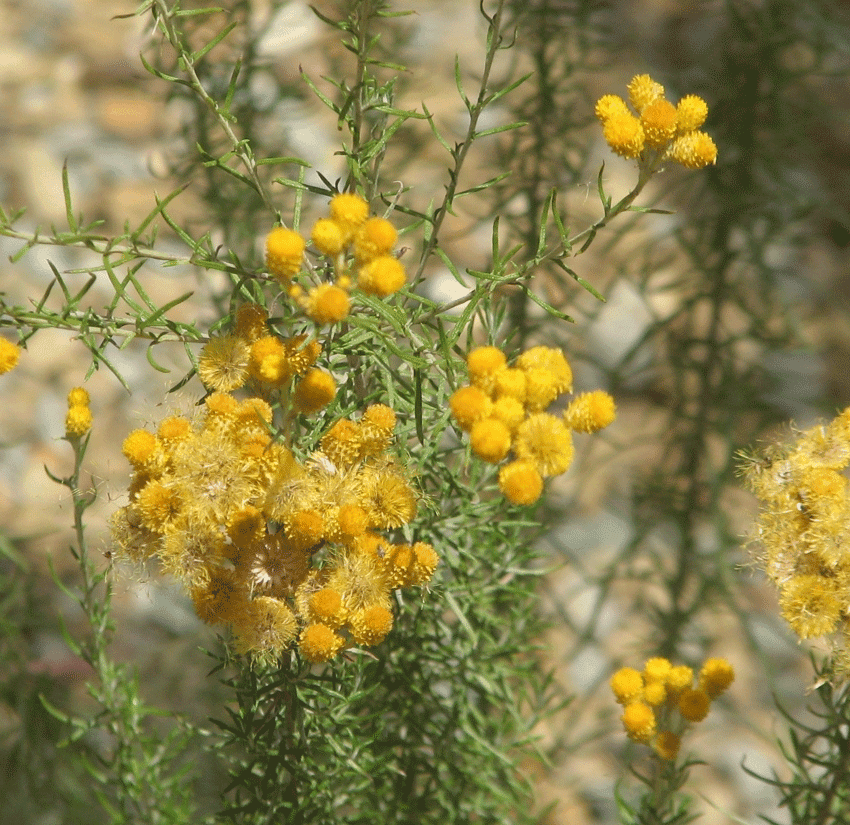
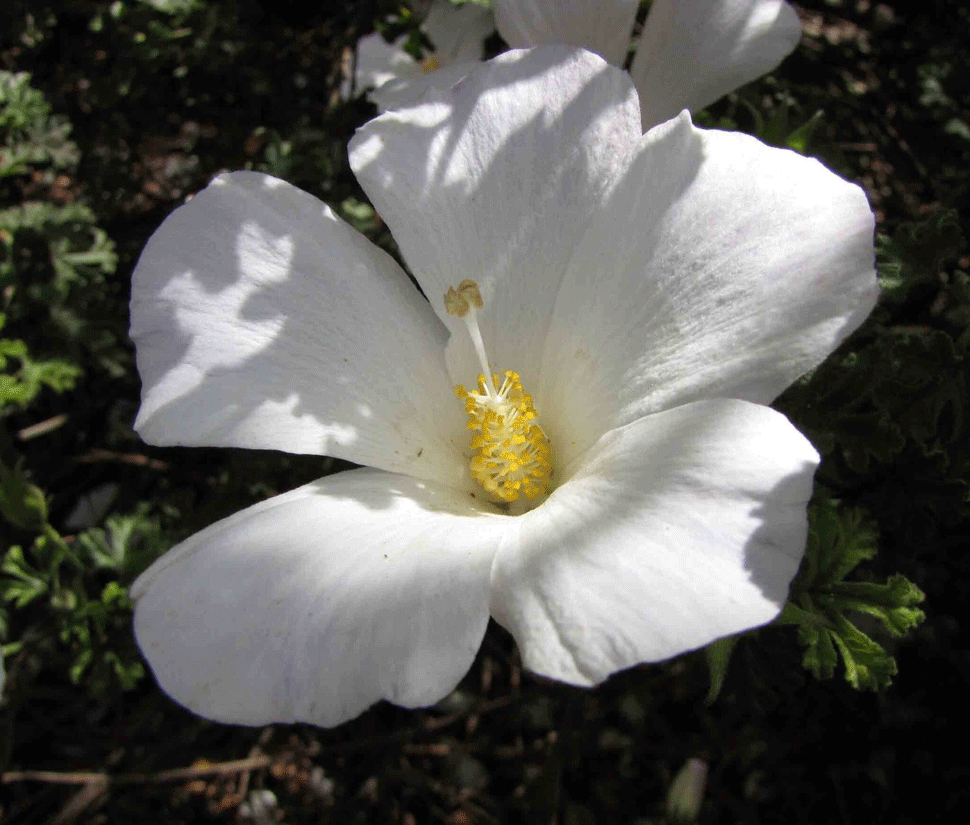
Alyogyne huegelii ‘Alba’ – White Native Hibiscus Alyogyne huegelii ‘Alba’, commonly known as White Native Hibiscus, is a fast-growing cultivated white-flowered form of the Australian native shrub Alyogyne huegelii. It produces large, luminous white hibiscus-like flowers against fresh green, deeply lobed foliage, making it an excellent feature shrub for native gardens, mixed borders, informal screening, large pots and drought-tolerant landscapes. This white-flowered form has a clean, elegant garden presence and combines beautifully with silver foliage eremophilas, native grasses, yellow daisies, and other hardy Australian plants. Its open flowers also provide useful resources for native bees, butterflies, hoverflies and other beneficial insects. Flowers Alyogyne huegelii ‘Alba’ produces large, open, white hibiscus-like flowers with a soft papery texture. Individual flowers are short-lived, as is typical of native hibiscus, but healthy plants can produce flowers generously over a long season. Flowering activity should be expected from winter through spring in suitable conditions with timing influenced by pruning, plant age, local climate and seasonal conditions. The clean white blooms stand out strongly against darker garden backgrounds and are especially effective when planted near paths, entrances, courtyards or outdoor living areas where the flowers can be seen up close. Foliage and Growth Habit The foliage is bright to mid green, deeply lobed and softly textured, giving the plant a fresh native hibiscus appearance even when it is not in flower. Growth is fast and naturally upright to open, so pruning is useful if a denser shrub is desired. White Native Hibiscus commonly grows to around 2–2.5 metres high and 2–2.5 metres wide in good garden conditions. It can be used as a broad feature shrub, an informal flowering screen, a loose hedge, or a large container plant. Cultivation Soil: Best grown in free-draining soil. Suitable for sandy, loamy, gravelly and improved clay-loam soils, provided the site does not remain boggy or waterlogged. In heavy soils, planting on a slight mound or raised area can improve long-term performance. Sunlight: Plant in full sun to very light part shade. Full sun gives the strongest flowering and helps maintain a more compact, floriferous shrub. Watering: Water regularly while establishing, especially through the first warm season. Once established, Alyogyne huegelii ‘Alba’ is drought tolerant and generally needs little supplementary watering except during extended dry periods or when grown in pots. Frost tolerance: Frost tolerant once established. Young plants may benefit from protection during their first winter, especially in exposed frost-prone positions. Drought and coastal tolerance: Drought tolerant once established and suitable for water-wise gardens. It also performs well in many coastal gardens where soil drainage is good and exposure is not extreme. Pruning and maintenance: Prune after major flowering flushes to maintain a denser, bushier plant and encourage fresh flowering growth. Regular pruning from a young age gives a better-shaped shrub than leaving it unpruned. Avoid feeding with phosphorus fertilisers. Uses Fast-growing white-flowered native shrub. Feature plant for native gardens and mixed borders. Informal flowering screen or loose hedge. Large pots, courtyards and balcony gardens. Dryland, drought-tolerant and water-wise garden designs. Native cottage gardens and soft wildflower-style plantings. Pollinator gardens for native bees, butterflies, hoverflies and beneficial insects. Bright contrast plant among silver foliage, grasses, Eremophila, Correa and native daisies. Habitat Value Alyogyne huegelii ‘Alba’ is useful in habitat-focused gardens because its large open flowers are accessible to native bees, butterflies, hoverflies and other beneficial insects. Its fast growth and shrub structure also help create shelter, layering and seasonal flower resources in native plantings. It combines well with Eremophila Chrysocephalum and other hardy Australian native plants suited to sunny, dry or lightly shaded positions. Growing Tips Plant in a sunny, free-draining position and water through establishment. Prune regularly from a young age if you want a denser shrub, as unpruned plants can become open or leggy over time. For containers, use a free-draining native potting mix and choose a large pot with good drainage. Trim after flowering flushes to maintain shape and encourage fresh new growth. Shipping Note At Sylvaterre Native Nursery, every plant is treated with care and respect. Unlike many online nurseries that ship tubestock lying flat — often stacked on top of each other in standard Australia Post boxes — all Sylvaterre plants are shipped upright in custom-made cardboard plant boxes. This helps ensure they arrive healthy, happy, and ready to thrive in your garden or pots. See our shipping cartons in the image gallery.