Chocolate Lily – Arthropodium Strictum
$ 7.50
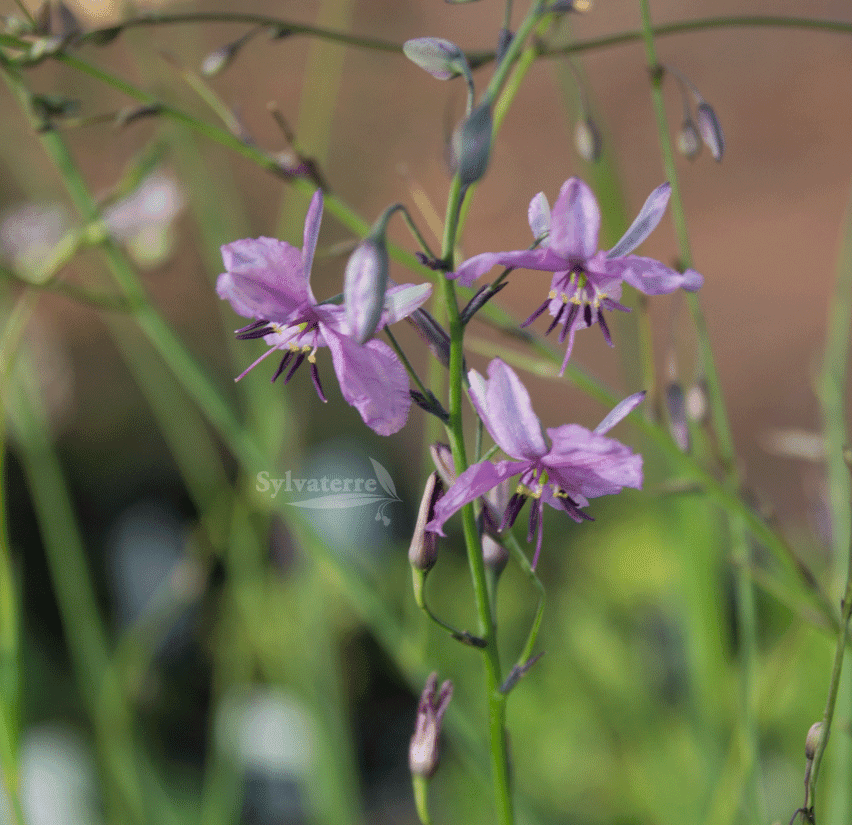
Chocolate Lily – Arthropodium strictum Arthropodium strictum, commonly known as Chocolate Lily, is one of Australia’s most remarkable native wildflowers. Much of the information repeated online about this plant is based on brief observation or assumptions borrowed from other Australian natives. Our description is based on more than 50 years of living with Chocolate Lily in its natural environment and growing it in nursery and garden conditions at Sylvaterre. In our experience, Chocolate Lily is not a delicate plant of light sandy soils. In the wild it thrives in heavy clay soils and compacted floodplain soils, and at Sylvaterre it has proven exceptionally long-lived in heavy clay loam. Our largest potted Chocolate Lily has grown for nine years in a 45 litre pot filled with heavy clay loam rather than potting mix, exposed to full summer heat, seasonal drying and repeated days above 40°C. This is a tough, tuberous Australian native perennial with broad grass-like foliage, tall flowering spikes and intensely fragrant purple flowers. The foliage is grass-like in form, but broader and more substantial than most Australian native grasses, giving the plant a strong presence even before it flowers. Arthropodium strictum should not be confused with Arthropodium fimbriatum, which is the Nodding Chocolate Lily. This listing is for Chocolate Lily, Arthropodium strictum. Flowers Chocolate Lily produces purple to mauve flowers along multiple long, elegant flowering spikes that can reach up to 1.5 metres high in strong plants. The flowers are held above the foliage, creating a graceful, floating display that moves beautifully among native grasses, daisies and other wildflowers. The flowers are famous for their rich chocolate fragrance, which becomes especially noticeable in warm weather. Up close, the dark brown and cream anthers provide a striking contrast against the purple petals, adding another layer of beauty to an already memorable flower. At Sylvaterre, Chocolate Lily is one of the great Blue Banded Bee plants. We have watched Blue Banded Bees visit the flowers hundreds of times in the garden and nursery. When a Blue Banded Bee lands on a Chocolate Lily flower, it hugs the pollen-rich stamens against its body and vibrates to shake the pollen loose. This behaviour is one of the most fascinating reasons to grow Chocolate Lily in a habitat garden, especially alongside other purple-flowered Australian native plants. Foliage and Growth Habit The foliage is dark green and grass-like, but broader than most people expect from descriptions of this plant. It forms a clump from underground tubers and produces a strong seasonal presence before the flowering spikes emerge. In the wild, Chocolate Lily naturally dies back above ground after flowering and summer drying, then usually re-emerges after the first autumn rains. This dormancy is normal and healthy. It should not be mistaken for plant failure. At Sylvaterre, we stop watering our Chocolate Lilies when they finish flowering and allow them to die back naturally. They reliably return the following year, often larger, stronger and more fragrant. Sometimes additional Chocolate Lily seedlings appear in the pots, making this species even more rewarding over time. Edible Uses Arthropodium strictum has long been valued as a native food plant. Its underground tubers are edible and have been used as bush food by Indigenous Australians. The tubers are often described as crisp, juicy and mildly sweet when young, with flavour and texture changing as they age. As with all edible native plants, only use material that has been correctly identified and grown without chemical treatment. Harvesting tubers removes or reduces the plant, so gardeners may prefer to grow multiple plants, allow clumps to establish well, and treat harvesting as occasional rather than routine. Cultivation Soil: Chocolate Lily is far more adaptable than many online descriptions suggest. It performs very well in heavy clay soils, clay loams and compacted floodplain soils, provided the plant is allowed to follow its natural seasonal cycle. It can also be grown in garden beds, grassland-style plantings, native borders and large pots. At Sylvaterre, we have grown outstanding Chocolate Lilies in heavy clay loam, including long-term potted plants that have survived intense summer heat and hard seasonal drying. Avoid treating this species like a soft, permanently irrigated plant; it needs a natural dry rest after flowering. Sunlight: Best in full sun to light shade. Full sun encourages strong flowering, stronger fragrance and a more natural growth cycle. In very hot climates, plants may die back after flowering as the soil dries and temperatures rise. Watering: Water during establishment and active growth. Once flowering has finished, reduce or stop watering and allow the plant to die back naturally. This dry rest is important for long-term health and helps the tubers build strength for the following season. Seasonal dormancy: Chocolate Lily naturally dies back above ground after flowering and summer heat. It usually re-emerges after autumn rain or when seasonal conditions improve. Do not discard dormant plants or pots; healthy tubers are usually resting below the surface. Frost tolerance: Frost tolerant once established. The underground tubers allow the plant to survive seasonal stress and reshoot when conditions are suitable. Drought and heat tolerance: Drought tolerant once established. At Sylvaterre, Chocolate Lily tolerates intense summer conditions, including repeated days above 40°C, by dying back naturally and resting underground until cooler, wetter conditions return. Pruning and maintenance: Allow foliage to yellow and die back naturally after flowering so energy can return to the tubers. Spent flower spikes can be removed once seed has matured, or left if seedling recruitment is desired. Avoid watering during dormancy. Uses Native wildflower for grassland-style gardens. Food plant collections and bush food gardens. Fragrant sensory gardens and native cottage-style borders. Heavy clay soil and floodplain-inspired native plantings. Pots, courtyard gardens and large container plantings. Planting among native grasses, daisies and small perennials. Habitat gardens for Blue Banded Bees, native bees and beneficial insects. Low-water and drought-tolerant garden designs. Habitat Value Arthropodium strictum is an outstanding plant for habitat-focused gardens, especially where Blue Banded Bees are present. Its purple flowers, pollen-rich stamens and tall open flower spikes make it highly attractive to native bees and other beneficial insects. At Sylvaterre, Blue Banded Bees regularly visit Chocolate Lily flowers, gripping the stamens and vibrating to release pollen. This makes Chocolate Lily not only a beautiful ornamental and edible native plant, but also one of the most engaging species for observing native pollinator behaviour in the garden. It combines beautifully with Chrysocephalum, Brachyscome, Xerochrysum, Bulbine bulbosa, Ozothamnus obcordatus, Pelargonium australe and other native grassland and woodland plants. Growing Tips Plant in full sun to light shade and allow the plant to follow its natural seasonal rhythm. Do not be alarmed when it dies back after flowering; this is normal. Reduce watering as the plant finishes flowering and allow the tubers to rest through hot, dry weather. For pots, a heavy clay loam or mineral soil can be highly successful. Avoid treating dormant pots as empty or dead. Chocolate Lily often returns larger and stronger after a proper dry rest, and seedlings may appear in established pots or garden beds. Shipping Note At Sylvaterre Native Nursery, every plant is treated with care and respect. Unlike many online nurseries that ship tubestock lying flat — often stacked on top of each other in standard Australia Post boxes — all Sylvaterre plants are shipped upright in custom-made cardboard plant boxes. This helps ensure they arrive healthy, happy, and ready to thrive in your garden or pots. See our shipping cartons in the image gallery.