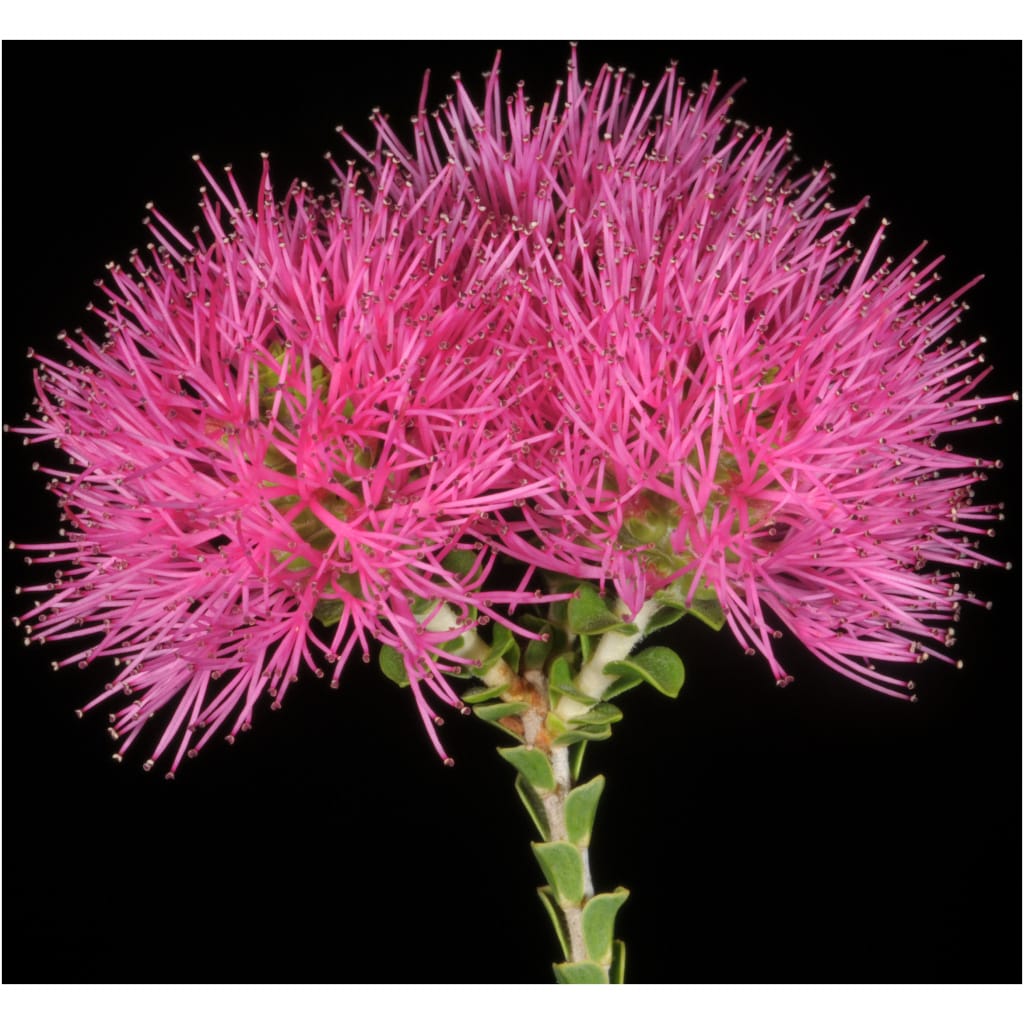
Diggers Speedwell – Veronica perfoliata
$ 5.00
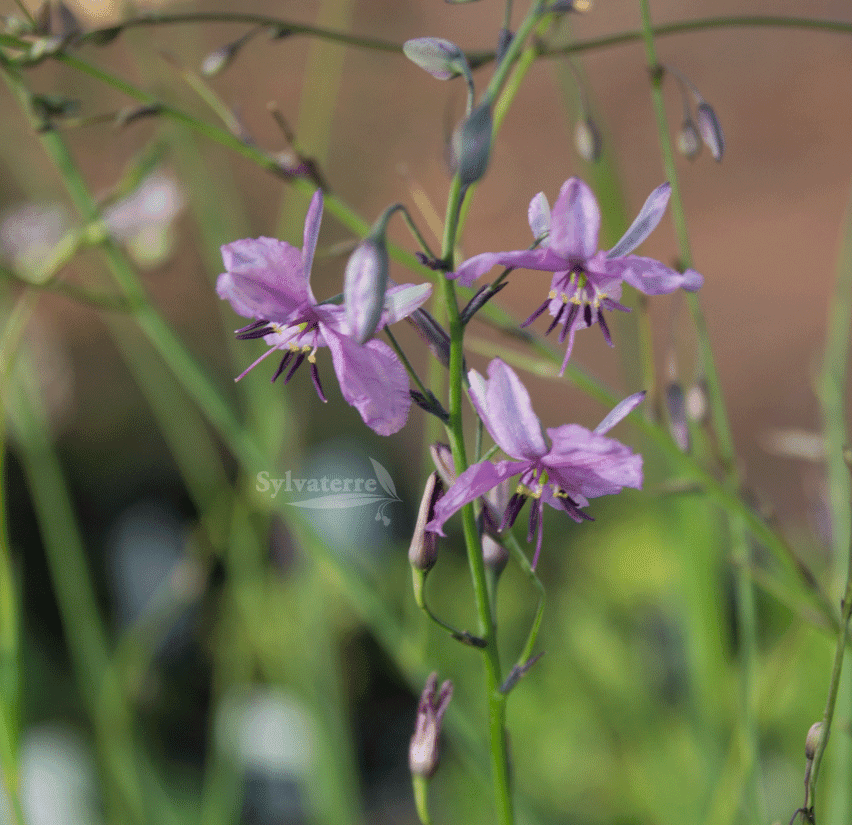
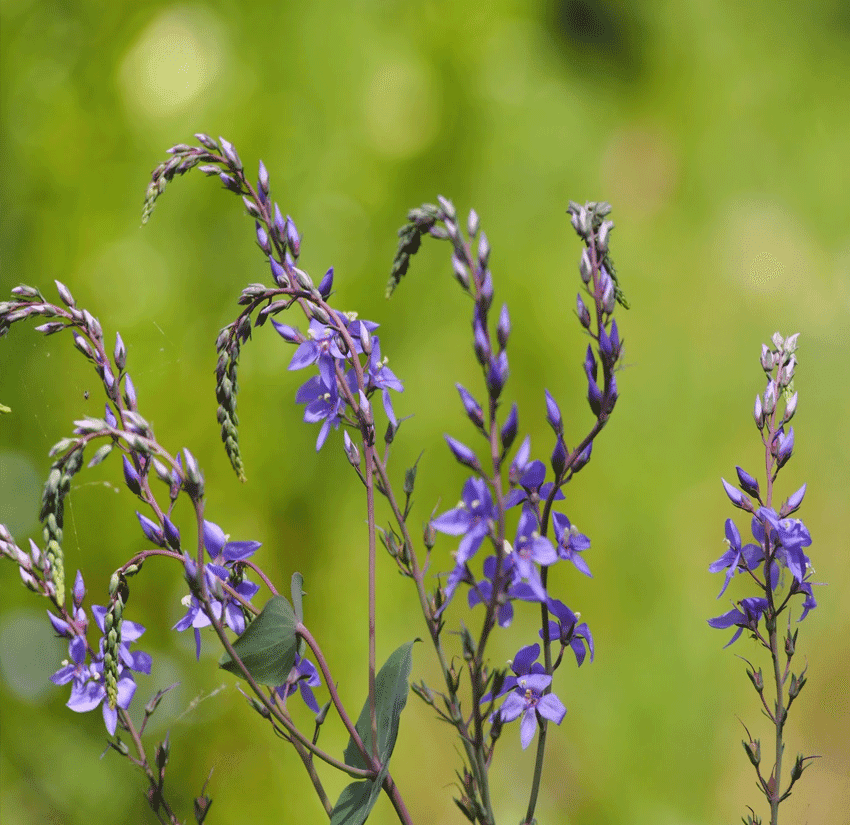
Digger’s Speedwell – Veronica perfoliata Veronica perfoliata, commonly known as Digger’s Speedwell, is a beautiful Australian native perennial with distinctive blue-grey, leaves that clasp the stems and upright sprays of blue flowers. Its foliage has a sculptural quality that looks striking even when the plant is not in flower, making it a valuable feature plant for native gardens, rockeries, borders, cottage-style plantings, wildlife gardens and large pots. This hardy native is especially useful where gardeners want soft colour, unusual foliage texture and reliable seasonal flowers in a compact plant. It is well suited to well-drained soils, open garden beds, rocky positions and mixed native plantings, and can be grown as a foreground plant, border plant or feature among grasses, daisies and small shrubs. Flowers Veronica perfoliata produces elegant spikes of blue to purple flowers, usually from spring into summer depending on local conditions. The flowers rise above the blue-grey foliage and create a soft, cool-toned display that combines beautifully with yellow, white, pink, silver and deep green native plants. The flowers are attractive to native bees, butterflies and other beneficial insects. In habitat gardens, Digger’s Speedwell can contribute nectar and pollen resources while also adding strong ornamental value. Foliage and Growth Habit The foliage is one of the great features of this species. The blue-grey leaves clasp the stems, giving the plant a distinctive layered appearance. The stems may be upright to arching, creating a soft, informal shape that works well in naturalistic native gardens. Plants usually form a compact perennial clump or small subshrub. Growth can become a little open or woody with age, but plants generally respond well to pruning after flowering or when rejuvenation is needed. Cultivation Soil: Best grown in well-drained soil. Suitable for sandy, gravelly, loamy and lightly clay-based soils where drainage is good. It is particularly useful in rockeries, raised beds, native borders and sites with shallow or rocky soil. Sunlight: Grows in full sun to part shade. In hot inland gardens, some light afternoon shade may help maintain stronger foliage quality through summer. In cooler districts, full sun generally gives the best flowering. Watering: Water regularly while establishing. Once established, Veronica perfoliata has good drought tolerance, especially in well-drained soil. Occasional deep watering during extended dry periods will help maintain stronger growth and flowering. Frost tolerance: Frost tolerant once established. Young plants may benefit from some protection while settling in, particularly during their first winter. Drought tolerance: Drought tolerant once established, especially in well-drained positions. Avoid wet, poorly drained soil, as this can reduce vigour and shorten plant life. Pruning and maintenance: Prune lightly after flowering to maintain shape and encourage fresh growth. Older, straggly plants may be rejuvenated by harder pruning, provided some healthy growth remains. Avoid heavy feeding, which can encourage soft growth. Uses Feature plant for native gardens and mixed borders. Rockeries, raised beds and gravel gardens. Foreground planting beneath open shrubs or small trees. Large pots and courtyard gardens. Wildflower-style and cottage-style native plantings. Bee, butterfly and beneficial insect gardens. Low-water and drought-tolerant garden designs. Useful contrast foliage among native grasses, daisies and small shrubs. Habitat Value Veronica perfoliata is useful in habitat-focused gardens because its close to the ground growing habit provides protection for small reptiles and invertabrates, its flowers provide nectar and pollen for native bees, butterflies and other beneficial insects. It also helps create a more layered planting structure when grown with native grasses, daisies, groundcovers and small shrubs. It combines well with plants such as Chrysocephalum, Brachyscome, Xerochrysum, Dianella, Themeda, Poa, Correa, low Eremophila forms and other hardy native perennials. Its blue-grey foliage is especially effective beside yellow-flowering daisies, silver foliage plants and fine-textured grasses. Growing Tips Plant in a well-drained position and water through establishment. Avoid heavy, wet soils or locations that remain damp for long periods. In very hot exposed gardens, part shade may help keep the plant looking fresher through summer. For pots, use a free-draining native potting mix and choose a container with good drainage. Trim after flowering to maintain a compact shape and encourage new growth. Shipping Note At Sylvaterre Native Nursery, every plant is treated with care and respect. Unlike many online nurseries that ship tubestock lying flat — often stacked on top of each other in standard Australia Post boxes — all Sylvaterre plants are shipped upright in custom-made cardboard plant boxes. This helps ensure they arrive healthy, happy, and ready to thrive in your garden or pots. See our shipping cartons in the image gallery.