Chrysocephalum apiculatum – Common Everlasting
$ 4.97
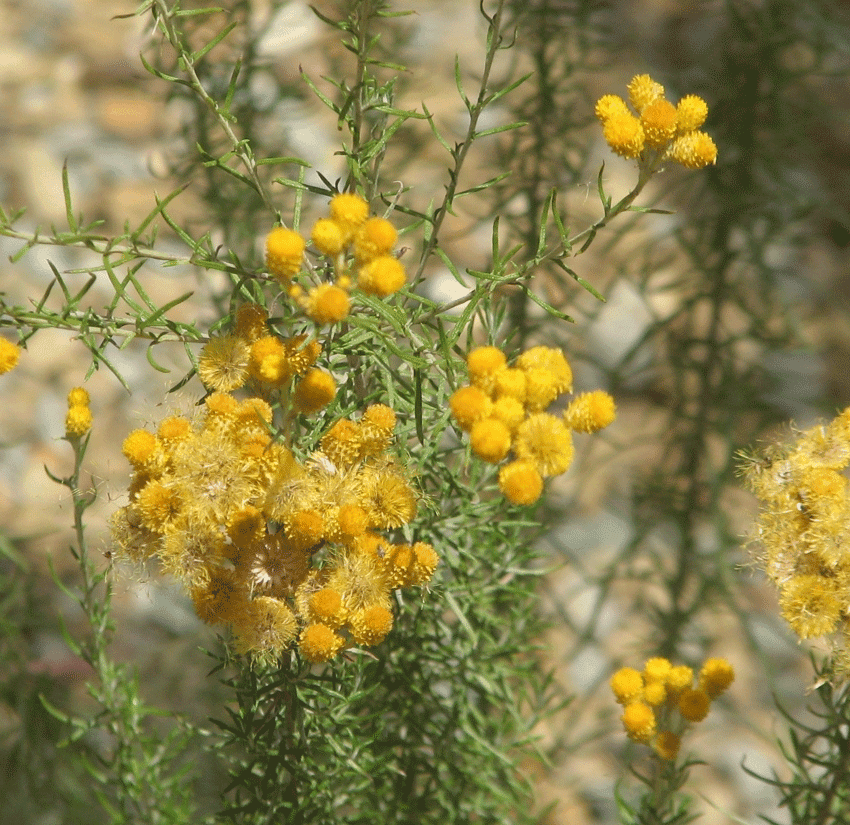
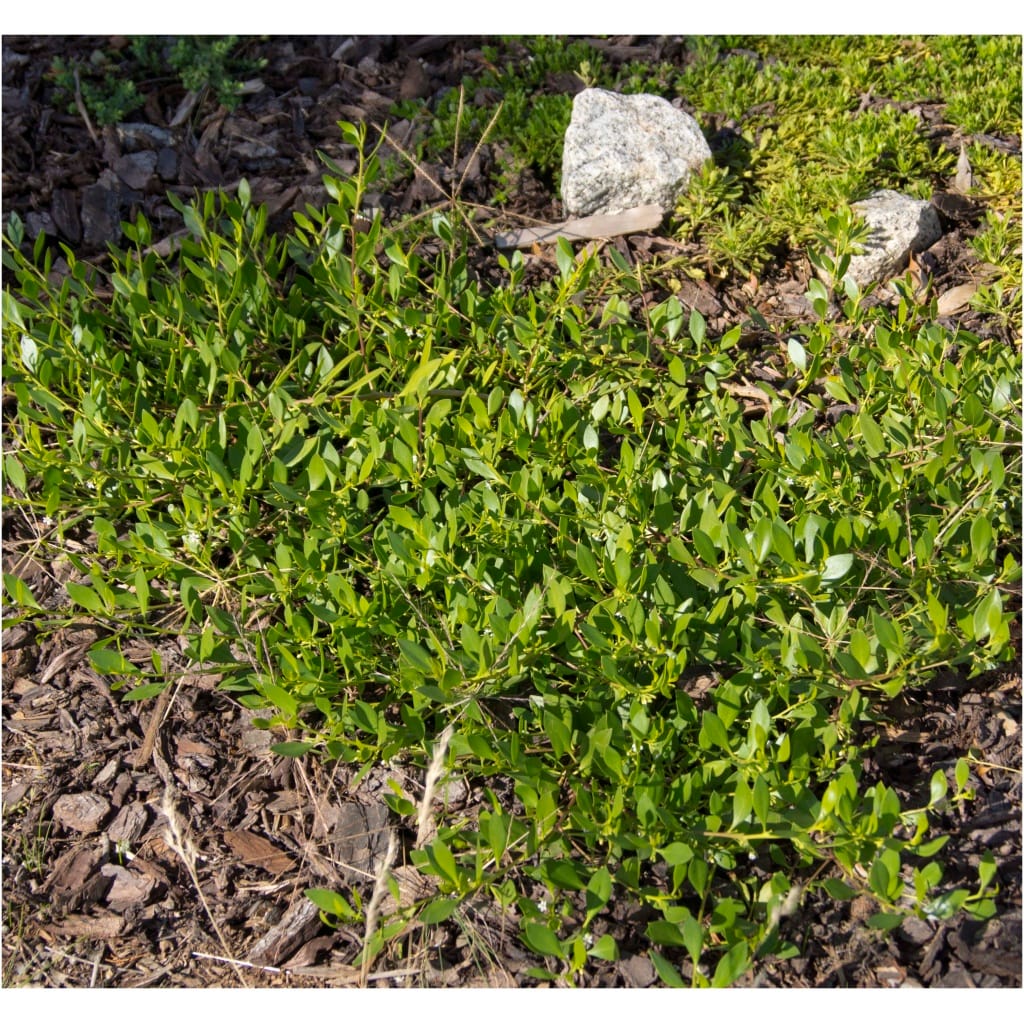
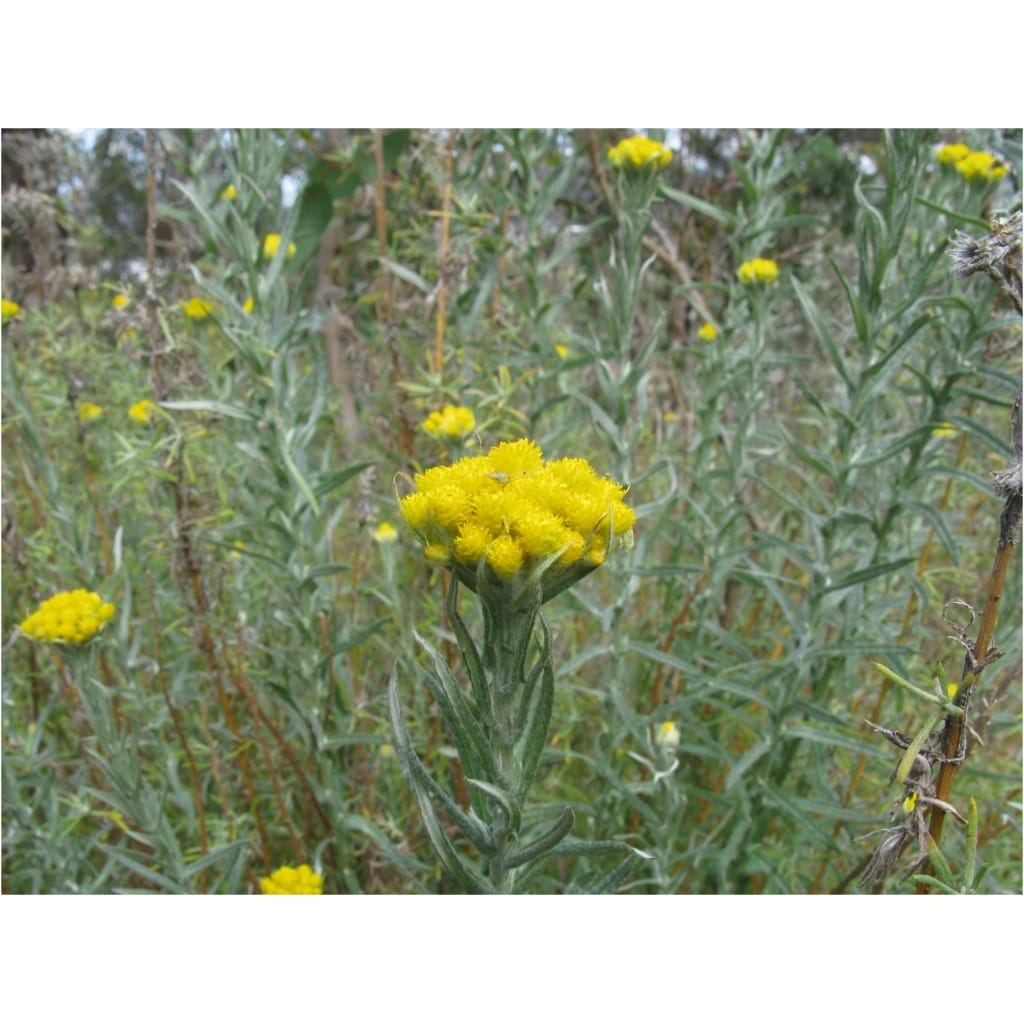
Chrysocephalum apiculatum, commonly known as Common Everlasting or Yellow Buttons, is a hardy Australian native daisy grown for its cheerful golden-yellow flower heads, silvery to grey-green foliage and tough groundcovering habit. It is one of Australia’s most widespread and variable native daisies, occurring across all Australian states and territories in a wide range of habitats. The Australian National Botanic Gardens notes that the species occurs in all states and territories, while ANPSA describes it as widespread in all states and “not considered to be at risk in the wild.” This species is highly variable, with forms ranging from low, spreading groundcovers to more upright perennial herbs. PlantNET describes it as a sometimes bushy perennial herb 7–60 cm high, while Florabase records Western Australian plants as 0.15–0.8 m high. In garden use, it is best treated as a low to medium native perennial, usually growing around 10–60 cm high and spreading to around 30 cm–1 m wide, depending on form and conditions. The bright yellow flower heads are produced mainly through spring and summer, although flowering can continue for much of the year in favourable conditions. Florabase records flowering in Western Australia from January to December, and VicFlora notes flowering mostly in spring and summer. This is an excellent plant for rockeries, dry native gardens, pots, baskets, embankments, wildlife gardens and low-maintenance landscapes. Once established, it is drought tolerant, frost tolerant and well suited to sunny, open positions with good drainage. Flowers • Bright golden-yellow button-like flower heads.• Main flowering is usually spring and summer, with flowering possible for much of the year in suitable conditions. • Papery everlasting-style flower heads hold well on the plant.• Flowers are attractive to native bees, hoverflies, butterflies, beetles and other small pollinating insects. Foliage • Foliage varies from grey-green to silvery, often softly hairy or woolly.• Growth habit varies from low and spreading to upright or bushy.• PlantNET describes the species as variable, with woolly-hairy branches and underlying glandular hairs. • Useful as a fine-textured native groundcover or low perennial among grasses and small shrubs. Cultivation Soil: Best in well-drained soil, including sandy, gravelly, loamy or lightly clay-based soils where drainage is adequate. It is commonly associated with grasslands, open woodland edges and heathland habitats across its range. Greening Australia notes that it occurs on a range of soil types and is most common in grasslands and open sites on woodland or heathland edges. Sunlight: Grow in full sun to light shade. Full sun gives the strongest flowering and densest growth. Watering: Water regularly during establishment. Once established, Chrysocephalum apiculatum is drought tolerant and generally requires little supplementary watering except during extended dry periods. Frost tolerance: Generally frost tolerant once established, and suitable for cool-climate native gardens where drainage is good. Drought tolerance: Drought tolerant once established, making it ideal for dry native gardens, verge gardens, rockeries and low-water landscapes. Pruning: Trim back after flowering or when plants become open. Cutting back helps maintain a dense, fresh habit and encourages repeat flowering. Fertiliser: Use a low-phosphorus native fertiliser sparingly in spring if required. Avoid heavy feeding, which can make plants soft and short-lived. Uses • Hardy native daisy for dry native gardens.• Excellent for pots, baskets, bowls and containers.• Useful in rockeries, embankments, retaining walls and verge gardens.• Good as a low flowering plant among native grasses and dryland shrubs.• Suitable for pollinator-friendly gardens.• Useful in habitat plantings, grassland-style gardens and naturalistic borders.• Can be used as a low-maintenance flowering groundcover where drainage is good. Habitat Value Chrysocephalum apiculatum is a valuable small-flowered native daisy for pollinator gardens. Its open yellow flower heads provide accessible pollen and nectar for native bees, hoverflies, butterflies, beetles and other beneficial insects. Because it is low-growing and often spreading, it also helps build the lower layer of a habitat garden, especially when combined with native grasses, lilies, small shrubs and other daisies. It is particularly useful in grassland-inspired plantings and dry native gardens where small insects need reliable flowering resources close to ground level. Natural Range Chrysocephalum apiculatum is native across all Australian states and territories. The Australian National Botanic Gardens describes it as occurring in all states and territories in a wide range of environments, while ANPSA records it as widespread in all states. Growing Tips Plant in a sunny, well-drained position. Water through the first summer to establish a strong root system, then reduce watering once plants are growing well. For the best display, trim plants back after flowering or whenever they become open or tired. This encourages fresh growth and helps maintain a compact, flowering habit. In pots or baskets, use a free-draining native potting mix and avoid saucers that hold water. Shipping Note At Sylvaterre Native Nursery, every plant is treated with care and respect. Unlike many online nurseries that ship tubestock lying flat — often stacked on top of each other in standard Australia Post boxes — all Sylvaterre plants are shipped upright in custom-made cardboard plant boxes. This helps ensure they arrive healthy, happy, and ready to thrive in your garden or pots. See our shipping cartons in the image gallery.